
Insights
for Telecom
Leaders
Strategic analysis and executive reports that turn the complexity of the Latin American telecom market into a competitive advantage.
EXECUTIVE REPORTS
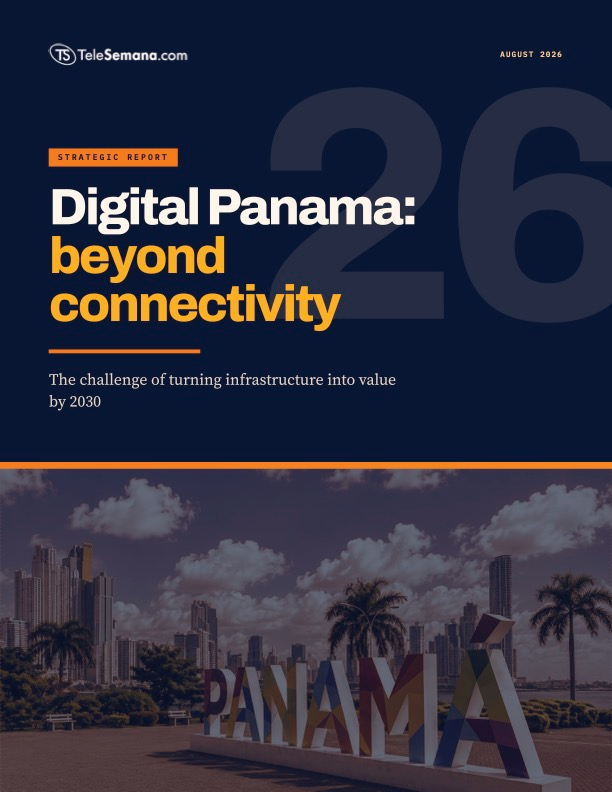
STRATEGIC REPORT: Panama 2030, from Connectivity Hub to Regional Digital Platform
Panama has more digital infrastructure than domestic demand to support it. With just 4.5 million people, the country hosts seven active submarine cables, 14 data centers and an ambitious AI and semiconductor agenda, yet its August 2026 tender for a third mobile operator attracted no bidders even with some of the region’s cheapest spectrum. The contrast is striking: while a mature domestic telecom market struggles to generate new growth, international infrastructure continues to arrive, including Google’s Alisios cable. This white paper examines why these are not contradictory trends but two distinct economies, asking how much of the value flowing through Panama’s digital infrastructure is actually captured in the country. Across four chapters, it traces the path from connectivity to compute, AI and exportable digital services, tests Panama’s hub strategy against constraints such as scale, demand, talent and institutional trust, and establishes a 2026 baseline and scorecard to measure whether, by 2030, Panama has evolved from a transit hub into a true regional digital platform.
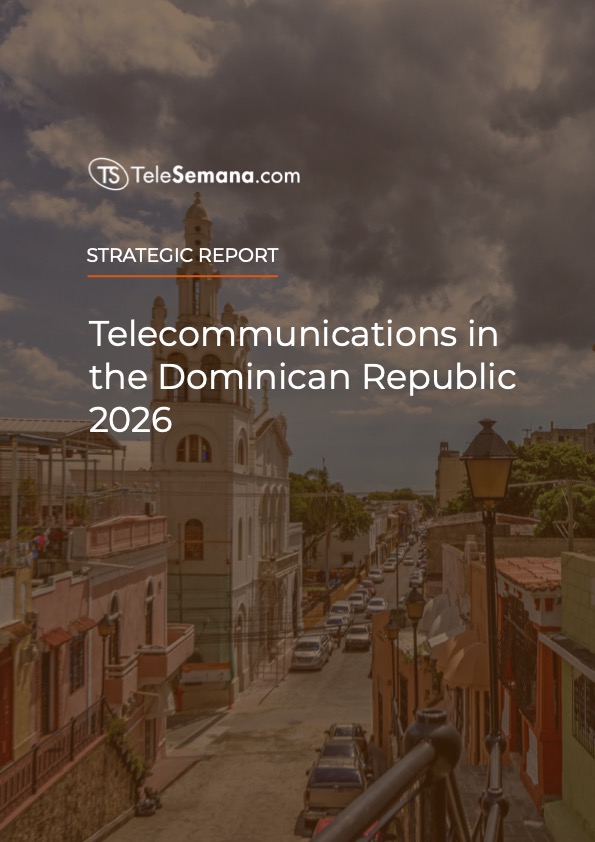
STRATEGIC REPORT: Telecommunications in Dominican Republic 2026
The report positions the Dominican Republic as the most advanced telecommunications market in the Caribbean, with a strong connectivity foundation built on mobile penetration close to 92%, near-universal 4G coverage, and early 5G deployment already reaching more than half of the population. This progress has been driven by sustained operator investment and an increasingly active regulatory agenda, within a highly concentrated market that effectively operates as a duopoly between Claro and Altice. However, this leadership coexists with structural weaknesses—particularly in fixed broadband and rural connectivity—that limit the depth of digital transformation. The sector is now entering a decisive phase shaped by three forces: a technological shift driven by fiber, 5G, and emerging digital hubs; an unprecedented regulatory reconfiguration in three decades; and growing corporate uncertainty, particularly around Altice. At the same time, the expansion of the digital economy—led by e-commerce, fintech, and cloud—opens new monetization opportunities, while also exposing gaps in critical infrastructure such as data centers. In this context, the real challenge is no longer network deployment, but transforming that infrastructure into a platform capable of generating sustainable economic value and positioning the country as a relevant digital hub in the region.
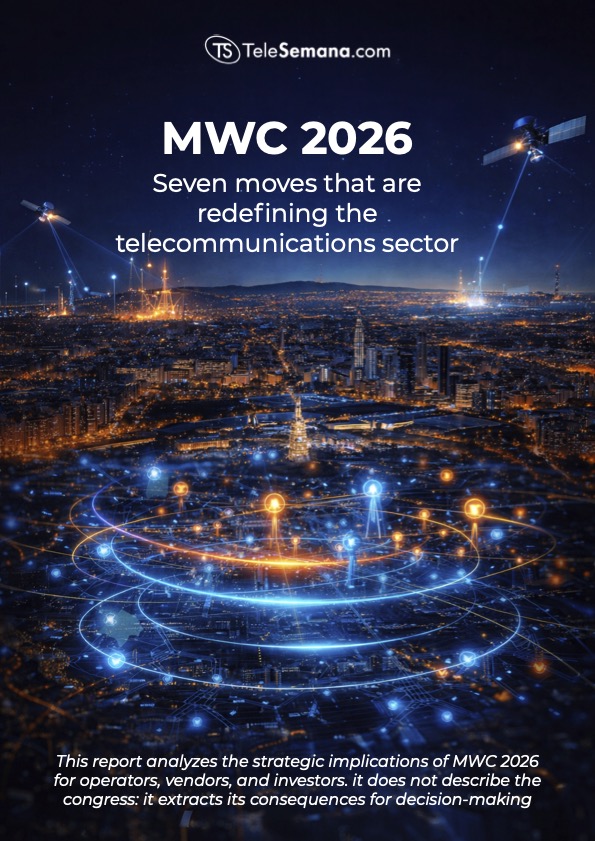
MWC 2026: Seven Moves That Redefine the Telecommunications Sector
The Mobile World Congress 2026 was not just another industry event. It marked the moment when the rules for the next decade began to take shape. This report does not describe what happened in Barcelona. It goes further. It identifies the real movements reshaping the industry, analyzes how key players are positioning themselves, and translates all of it into concrete implications for decision-making. From the entry of artificial intelligence into the core of the network to the arrival of new competitors with fundamentally different execution dynamics, this report provides a strategic reading of what many saw but few truly understood. If you are responsible for investment, technology, or positioning in the telecom sector, this report gives you a clear edge: understanding what is really happening and which decisions you can no longer afford to delay.
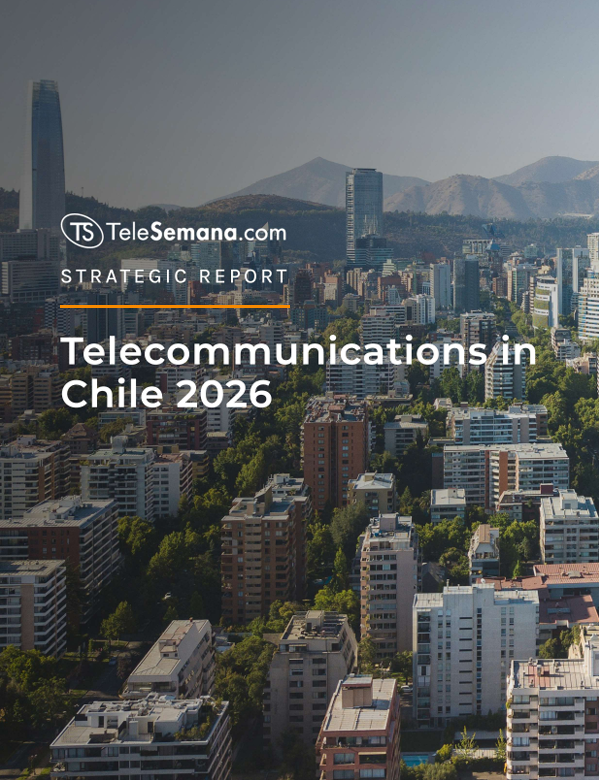
Strategic Report: Telecommunications in Chile 2026
Chile has established itself as one of Latin America’s most advanced telecommunications markets, but also one of the most demanding from an economic and strategic standpoint. This report offers a clear, unsentimental view of that duality: leadership in infrastructure, fiber optics, and 5G alongside growing pressure on margins, model sustainability, and network resilience. Rather than focusing on coverage or speed metrics, it examines the real tensions shaping decisions by operators, regulators, and investors, adopting a strategic and systemic perspective that integrates infrastructure security, cybersecurity, data centers, artificial intelligence, neutral networks, and satellite connectivity, and positioning Chile as an early indicator of the challenges other mature markets in the region are likely to face.
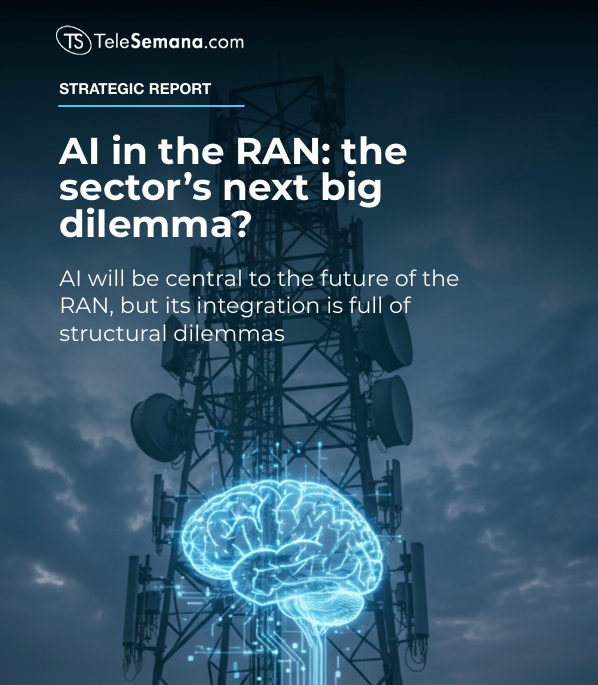
AI in the RAN: the sector’s next big dilemma?
The integration of artificial intelligence into the RAN has become one of the most complex and misunderstood debates in the mobile industry. This report explains the three competing vendor approaches, clarifies what AI truly enables in the RAN, debunks the most common myths, and outlines the structural challenges—energy, cost, architecture, and standardization—that will determine whether AI delivers real value or adds new layers of complexity. It also provides a practical map of which types of AI belong in the RAN and which are better placed in the edge, core, or cloud. Download it to gain a concise, realistic framework for evaluating AI-RAN beyond the marketing narrative.
Need more than a report?
Our advisory team turns market intelligence into tailored strategies for your operation. From MVNO launches to 5G roadmaps.
Explore advisory services →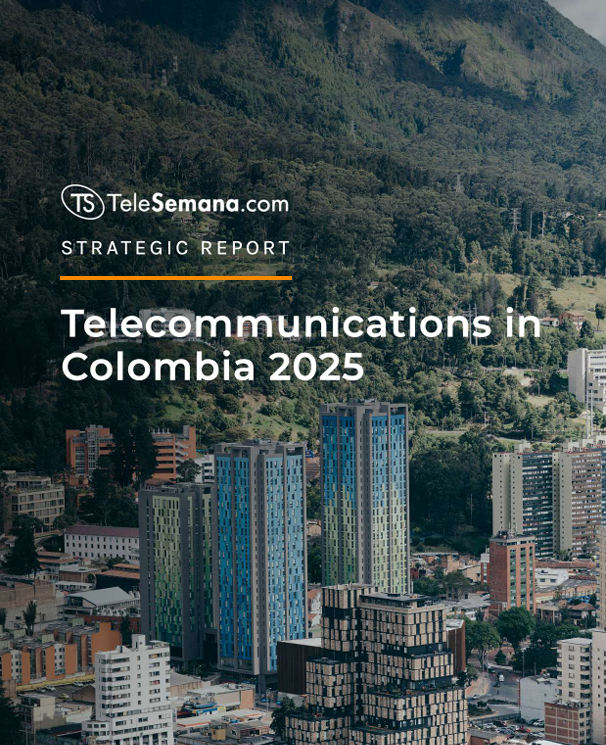
Strategic Report: Telecommunications in Colombia 2025
This strategic report offers a comprehensive overview of Colombia’s digital and telecommunications landscape in 2025, examining the country’s progress in connectivity, 5G deployment, regulatory evolution, digital inclusion, and the growing intersection between energy, infrastructure, and technological development. It provides an in-depth analysis of market dynamics, competitive pressures, governance challenges, and emerging opportunities that could position Colombia as a regional digital hub. Designed for industry executives, policymakers, and technology leaders, the report delivers actionable insights into the forces shaping Colombia’s digital future and the conditions needed to ensure its long-term sustainability and growth.
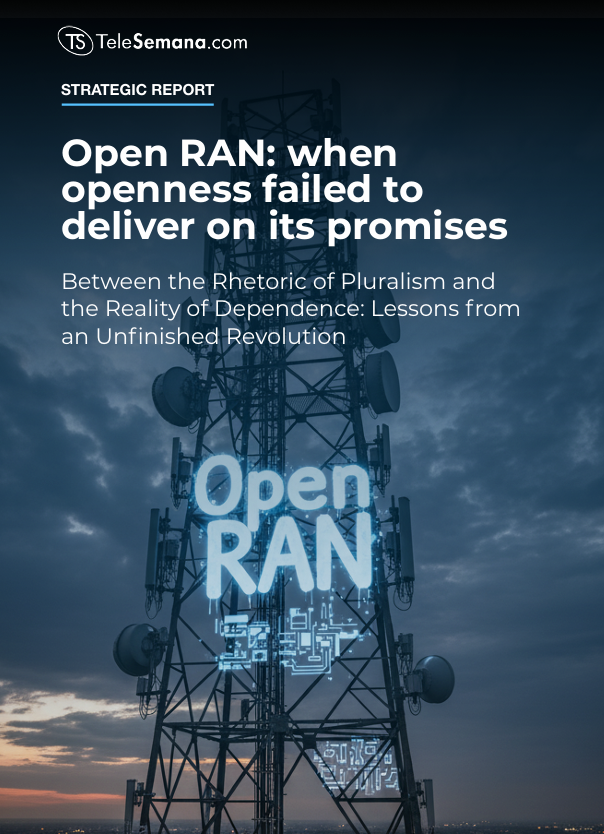
Open RAN: when openness failed to deliver on its promises
The rise of Open RAN was once hailed as a revolution that would democratize mobile networks, reduce vendor dependence, and unleash a new wave of innovation. But five years later, the industry faces a sobering question: has openness truly delivered autonomy and efficiency, or has it merely reshaped dependence under a different name? With 22 years of independent telecom analysis, TeleSemana.com offers a critical perspective in its new position paper, “Open RAN: when openness failed to deliver on Its promises”. The report examines the economic, operational, and strategic realities behind Open RAN, contrasting its ideals of democratization with the practical limits of cost, governance, and market concentration. Download the full report and join the debate on whether Open RAN remains a path to technological sovereignty—or a reminder that in telecom, openness does not always mean freedom.
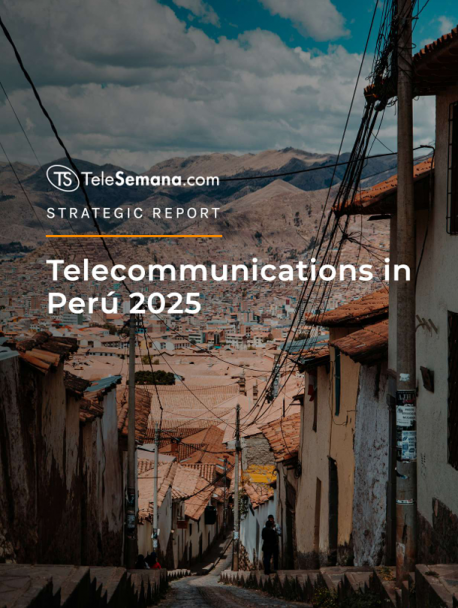
Strategic Report: Telecommunications in Peru 2025
The report “Telecommunications in Peru 2025” provides a comprehensive snapshot of the country’s digital ecosystem at a defining moment. It explores how the allocation of 400 MHz for 5G deployment, the innovative Huñuy Peru Plan, and the new Artificial Intelligence Law could reshape national development. Combining data, context, and forward-looking analysis, it examines progress in connectivity, the evolution of mobile and fixed markets, regulatory challenges, and the impact of institutional instability on investment and competitiveness. Aimed at executives, analysts, and policymakers, the study outlines three potential scenarios through 2035 —from optimistic to critical— and defines the conditions for Peru to become a true Andean digital hub, highlighting how connectivity can drive growth, equity, and economic transformation in the decade ahead.

From Dumb Pipe to Dumb Space
The rise of LEO Direct-to-Device (D2D) services has been hailed as a revolution that will close coverage gaps and redefine connectivity. But is this innovation truly building a sustainable business model, or are we repeating the same mistakes that left terrestrial operators trapped in the “dumb pipe” dilemma? With 22 years of independent telecom analysis, TeleSemana.com brings a critical perspective in its new position paper “From Dumb Pipe to Dumb Space? The Risk Behind LEO D2D Services”. This document examines five of the main arguments supporting LEO D2D and contrasts them with counterpoints and counter-rebuttals. The goal is not to dismiss innovation, but to raise the uncomfortable questions that must be addressed before billions are invested in orbital infrastructure. Download the full report and join the debate on whether LEO D2D can truly escape the commoditization trap—or if we are simply exporting it into space.
Strategic Report: Telecommunications in Costa Rica
The report “Telecommunications in Costa Rica 2025–2035” provides an updated and clear overview of the sector, analyzing the impact of the 5G spectrum auction, the expansion of fiber optics, and national bets on artificial intelligence, semiconductors, and cybersecurity, while assessing competitive dynamics, regulatory and energy challenges, and the potential contribution of up to US$3.925 billion to GDP by 2035. It sets out a strategic roadmap with scenarios, metrics, and recommendations for government, operators, and investors, positioning Costa Rica before a unique window of opportunity to transform its digital infrastructure into a driver of growth, inclusion, and competitiveness.
From analysis to action.
Our reports show what we know. Our advisory services put that knowledge to work for your organization, with expert guidance on the topics shaping the future of telecommunications in Latin America.
Get your executive report
Select your report and receive the download link in your inbox.
